Innovation Phase: Real-World Problem Solving
The culmination of the Cnipbotics journey. Students apply four years of knowledge to solve real-world problems with systems thinking, design engineering, and entrepreneurial presentation. CBSE Class 10 Science is heavy on Physics (electricity, magnetism, light, energy) — the most board-exam-critical chapters.
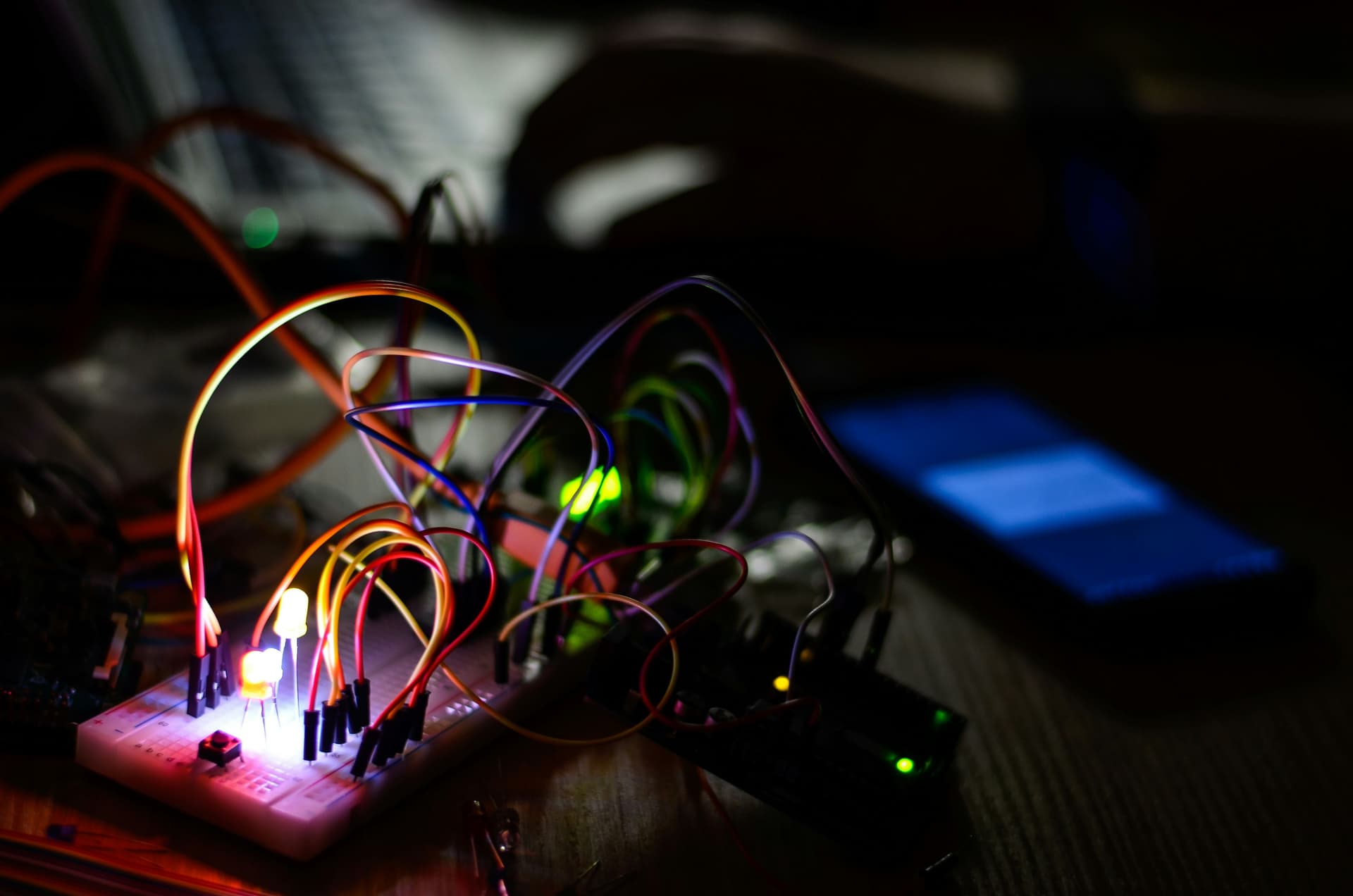
Innovation Kit
₹2,000–₹2,800 per student
Sessions 1–18
The board-exam-critical physics chapters — electricity, magnetism, and light — taught through real hardware projects.
Module 1: Electricity & Circuits
The most critical CBSE alignment module. Project: Smart Energy Monitor — ESP32, CT sensor, OLED display, WiFi. Measures real-time current, calculates P=VI and kWh, sends daily reports. Students who build this never forget Ohm's law or electricity bill calculations.
CBSE Link
Ch 12: Electricity (highest board weight)
Module 2: Magnetic Effects & Electromagnetism
Electromagnet construction, motor principles, relay control. Students build an electromagnetic crane and understand DC motor working through first-hand construction.
CBSE Link
Ch 13: Magnetic Effects of Electric Current
Module 3: Light & Optics
IR sensors, light-based communication, camera module introduction. Projects exploring reflection, refraction angles, and image processing fundamentals.
CBSE Link
Ch 10: Light (Reflection & Refraction), Ch 11: Human Eye
Sessions 19–36
Health tech, sustainability, ML/AI basics, and the final capstone exhibition — the culmination of the 4-year journey.
Module 4: Life Processes & Health Tech
Health tech projects — pulse rate monitoring, body temperature tracking, step counting. Connecting biology concepts to wearable technology.
CBSE Link
Ch 6: Life Processes
Module 5: Environment & Sustainability
Environmental monitoring — air quality, water quality testing, energy audit projects. Students build sustainability solutions with real impact.
CBSE Link
Ch 15: Our Environment, Ch 16: Natural Resources
Module 6: Machine Learning & AI Basics
Introduction to machine learning concepts, simple classification models, voice/gesture recognition experiments using pre-trained models on Raspberry Pi.
CBSE Link
Computer Science: AI/ML concepts
Module 7: Final Capstone & Exhibition
Students choose their own capstone (Energy Monitor, Health Tracker, or custom). Deliverables: 8–12 page engineering report, working prototype, 10-min presentation, 2-min video, and code repository.
CBSE Link
All 4 years combined
What students deliver
The final capstone isn't just a project — it's a portfolio piece for college applications and science exhibitions.
Engineering Report (8–12 pages)
Problem statement, literature review, design choices, circuit schematics, code architecture, test results, future improvements
Working Prototype
Fully functional demonstration with reliable operation — not just a prototype, a product-ready build
Presentation & Live Demo
10-minute professional pitch with live demo, suitable for CBSE Science Exhibition or ATL Tinkering Lab showcase
Video Documentation
2-minute project video suitable for YouTube, portfolio, and college applications
Code Repository
Well-commented, organized code with README file on GitHub — introduction to version control
Class 10 Kit Components
ESP32 for WiFi + Bluetooth, OLED for compact displays, and sensors for energy, health, and environment projects.
₹2,000–₹2,800 per student
Total 4-year investment: ₹8,100–₹10,700
ESP32 development board
0.96" OLED display
CT current transformer sensor
Camera module
NeoPixel LED strip
Additional sensors (IR, proximity)
Project enclosures (3D printed or cardboard)
Exhibition poster template

Ready to bring robotics to your school?
Join 200+ schools across India using Cnipbotics. Our team handles everything — lab setup, teacher training, curriculum integration, and ongoing support.
200+ schools already onboarded
CLASSROOM STARTER
per student, Class 7 Kit